
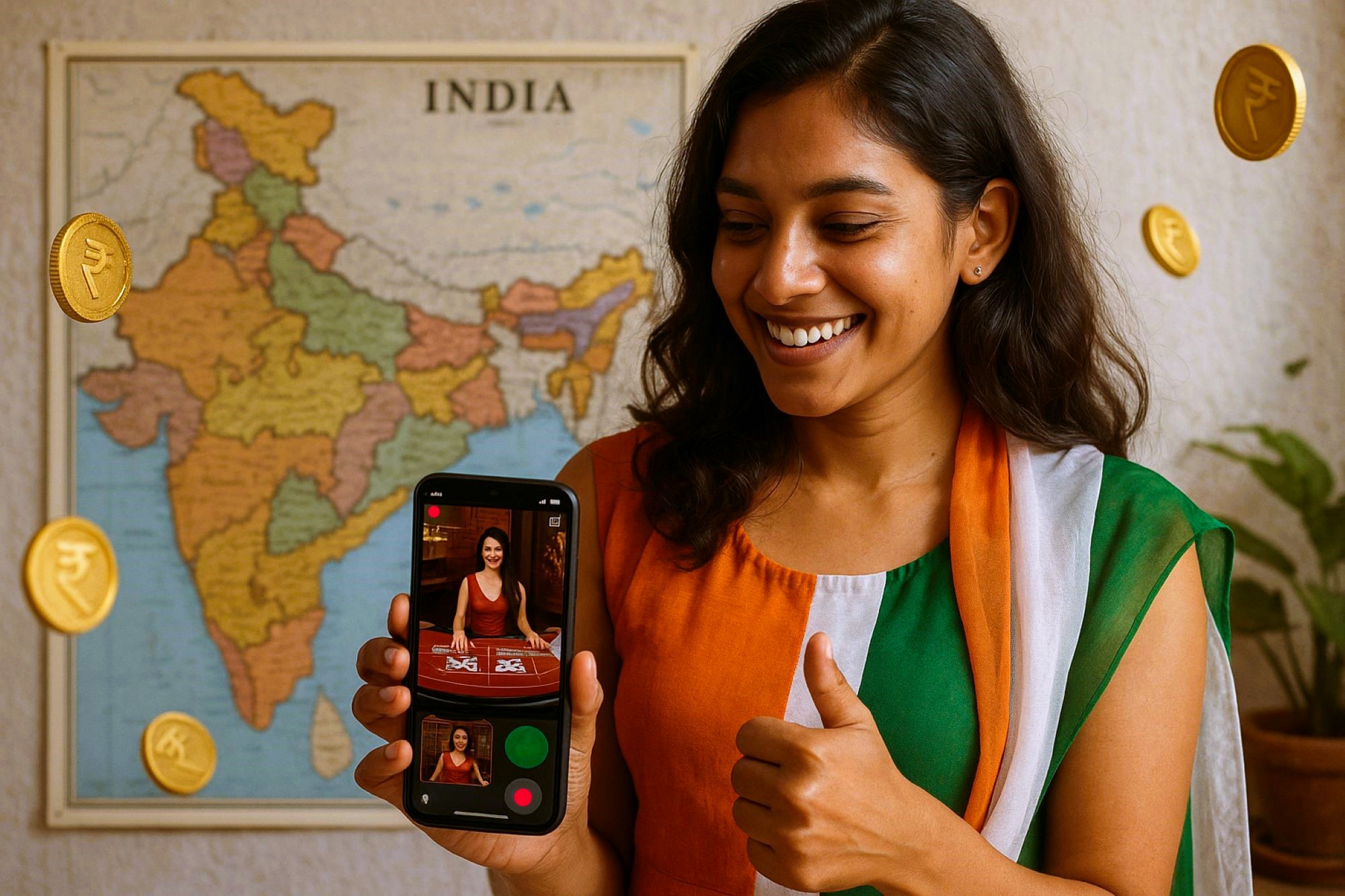
If you’ve ever wondered whether diving into live-casino gaming is legal and safe in India, you’re not alone. This topic is buzzing, especially as online gambling and live-casino platforms are becoming increasingly popular. From spinning roulette wheels to live dealer blackjack, the excitement is real — but is it within the legal bounds? And can you trust the platforms out there? Let’s break it down together in a clear, friendly way — so you can enjoy the thrill without the worry.
What Is Live-Casino Gaming?
Before diving into the legal and safety aspects, it’s important to fully understand what live-casino gaming actually entails. Unlike traditional online casino games that rely purely on computer-generated graphics and random number generators, live-casino gaming brings the authentic casino experience directly to your screen through real-time video streaming. This means that instead of playing against software, you interact with real human dealers who manage the game just like they would in a physical casino. The technology seamlessly blends the excitement of a brick-and-mortar casino with the comfort of playing from home.
In live-casino gaming, the entire setup is designed to simulate a real casino environment. Multiple high-definition cameras capture the dealer and the gaming table from various angles, allowing you to see every card dealt or every spin of the roulette wheel as it happens. This transparency adds a layer of trust and excitement that traditional digital games often lack. You can watch the dealer shuffle cards, roll dice, or spin the wheel in real time, which makes the experience feel much more interactive and genuine compared to automated games.
Another defining feature of live-casino gaming is the level of interaction it offers. Players can place their bets using their devices—whether it’s a smartphone, tablet, or computer—while simultaneously communicating with the dealer through a live chat feature. In many cases, you can also interact with other players who are participating in the same game session. This social aspect is a huge draw for many players, as it replicates the camaraderie and atmosphere of sitting at a real casino table, sharing moments with others rather than playing in isolation.
Popular live-casino games include classics like blackjack, roulette, baccarat, and poker, all hosted by professional dealers who guide the game and keep the energy lively. Because these games run live, the pace is natural and allows for strategic decision-making, just like in a physical casino. For many players, this mix of realism, transparency, and social interaction creates a thrilling experience that goes far beyond what traditional online casino games can offer. In short, live-casino gaming brings the best of both worlds—authentic casino action combined with modern online convenience.
The Legal Landscape of Live-Casino Gaming in India
The legal situation around live-casino gaming in India is complex and varies widely from state to state. Here’s a detailed breakdown in list form to help you understand this patchwork of laws:
- India does not have a unified federal law that specifically governs online gambling or live-casino gaming, leaving the subject mostly under state jurisdiction.
- The primary federal law related to gambling, the Central Gambling Act of 1867, is outdated and mainly restricts certain types of gambling but says little about online or live-casino gaming.
- Many states in India have their own individual gambling laws that cover physical gambling venues like casinos and lotteries but often don’t address online gambling explicitly.
- The Public Gambling Act mainly targets offline gambling houses and does not clearly mention or regulate online casinos or live-casino platforms.
- Some states completely ban all forms of gambling, including online and live-casino gaming. Examples include states like Telangana and Andhra Pradesh.
- Other states have legalized and regulate specific gambling activities, such as lotteries or horse racing, while still maintaining bans on other gambling types.
- A few states have moved toward regulating and licensing online gambling, including live-casino gaming. Notably, Goa, Sikkim, and Daman have legalized online casinos and provide official licenses to operators.
- In states that issue licenses for online gambling, live-casino gaming platforms operate legally and are required to follow regulatory standards to protect players.
- The lack of clear federal regulation means that online live-casino gaming remains in a legal gray zone for most parts of India, leading to uncertainty for both players and operators.
- Players residing in states without explicit laws allowing online gambling risk potential legal issues if they participate on unlicensed platforms.
- Some operators based offshore target Indian players despite local restrictions, but this raises concerns about legal protection and safety for users.
- The legal ambiguity has slowed the development of a robust, regulated online gambling industry at the national level.
Why the Legal Confusion?
| Reason | Description | Impact on Live-Casino Gaming | Example | Notes |
| Colonial-Era Laws Are Still In Effect | Many gambling laws in India were created over 100 years ago, long before the internet existed. | These outdated laws do not address online or live-casino gaming. | Central Gambling Act, 1867 | Leads to vague or irrelevant regulations for modern gaming. |
| Lack of Specific Online Gambling Laws | India has not enacted clear, comprehensive legislation specifically targeting online gambling activities. | Creates legal ambiguity for operators and players regarding live casinos. | No unified federal online gambling law | Results in states interpreting laws differently or ignoring the issue. |
| Diverse State Perspectives | Each Indian state has unique cultural, economic, and political views on gambling. | Leads to widely varying legal frameworks from state to state. | Goa and Sikkim legalize online casinos; Telangana bans gambling | Causes confusion as legality depends heavily on location. |
How to Check if Live-Casino Gaming Is Legal in Your State
When it comes to live-casino gaming, one of the most important things you can do is verify whether it is legal in your state. This step is crucial because gambling laws in India vary widely by state, and playing on an illegal platform could land you in trouble. The best way to start is by researching your state’s gambling laws online. Government websites or official portals often publish the current rules and regulations regarding gambling activities, including whether online or live-casino gaming is permitted. Taking the time to understand the legal framework in your area will help you avoid confusion or unintentional violations.
Another smart move is to look out for any official notifications or announcements from your state government about online gambling. These updates can sometimes clarify or change the legal status of live-casino gaming. States like Goa and Sikkim have made formal statements about licensing and regulating online casinos, and such information is often publicly accessible. Checking these notices regularly is helpful because gambling laws can evolve, and staying informed means you won’t miss important legal changes that affect your rights and responsibilities as a player.
It’s also vital to verify whether your state issues licenses specifically for online casinos or betting platforms. Licensed operators are typically vetted and regulated, providing a layer of safety and legal assurance. If your state has a licensing authority for gambling, you can check their official website or database for a list of approved live-casino operators. Playing on licensed sites ensures that you are complying with the law and also protects you from fraudulent or unregulated platforms. Conversely, if your state doesn’t issue such licenses, you should exercise extra caution before engaging with any live-casino games.
If you want to be absolutely sure about the legality of live-casino gaming in your state, consulting a legal expert is the best option. A lawyer familiar with gambling laws can provide personalized advice based on the latest legislation and help you understand any nuances or potential risks. Legal experts can also guide you on how to protect yourself if you decide to participate in live-casino gaming. While researching on your own is a good start, professional consultation adds an extra level of confidence and clarity that’s especially valuable in such a legally complex area.
Is Live-Casino Gaming Safe in India?
When considering whether live-casino gaming is safe in India, it’s important to understand that safety largely depends on the platform you choose. Here’s a detailed, comprehensive list of factors that determine the safety and reliability of a live-casino site:
- Valid Licensing:
Licensed casinos operate under strict regulations and regular audits. Look for licenses from reputable authorities like the Malta Gaming Authority (MGA), UK Gambling Commission (UKGC), or Indian state licenses such as those from Goa or Sikkim. A valid license indicates legal compliance and player protection. - Use of SSL Encryption:
Secure Socket Layer (SSL) encryption technology safeguards all your data, including personal information and payment details, during transmission. Safe live casinos use SSL certificates to ensure data privacy and security against hackers and cyber theft. - Trusted Payment Gateways:
Safe platforms support well-known and reliable payment methods like UPI, Paytm, Neteller, Skrill, Visa, Mastercard, and bank transfers. These gateways are secure and often come with buyer protection mechanisms, reducing risks associated with online transactions. - Clear Terms and Conditions:
Transparent casinos provide easily accessible and clearly written terms covering game rules, withdrawal processes, wagering requirements, bonus policies, and any fees. This transparency helps players avoid misunderstandings or hidden charges. - Fairness of Games:
Reputable casinos use certified Random Number Generators (RNGs) and have their games audited regularly by independent agencies to guarantee fairness. Live dealer games should be streamed in real-time without manipulation. - Reputation and Player Reviews:
Positive feedback from real users across forums, review sites, and social media platforms reflects trustworthiness. Check for consistent praise about payouts, customer support, and game quality. Beware of casinos with frequent complaints regarding withdrawals or rigged games. - Responsible Gaming Tools:
Safe casinos offer features like deposit limits, loss limits, time limits, and self-exclusion options to help players control their gambling habits and avoid addiction.
Risks of Playing on Unregulated Sites
| Risk | Description | Potential Consequences | Example Scenario | How to Avoid |
| Rigged Games | Unregulated sites may manipulate game outcomes to favor the house unfairly. | Loss of money due to unfair results; no chance to win. | A roulette wheel that never lands on certain numbers. | Play only on licensed and audited casinos. |
| Data Theft | Personal and financial information may be stolen or misused by insecure or fraudulent sites. | Identity theft, financial loss, privacy breaches. | Hackers accessing your bank details after deposit. | Use platforms with SSL encryption and strong security. |
| Withdrawal Issues | Some sites refuse or delay payouts, making it difficult or impossible to withdraw winnings. | Frustration, loss of earned money, wasted time. | Casino suddenly blocks your withdrawal request. | Check reviews and choose casinos with a good payout record. |
| Legal Trouble | Playing on illegal or unlicensed sites can result in legal problems depending on local laws. | Fines, account bans, or other legal consequences. | Authorities blocking access or penalizing players. | Confirm the site’s legality in your jurisdiction before playing. |
Tips to Stay Safe While Enjoying Live-Casino Games
Enjoying live-casino games can be a thrilling experience, but it’s important to take certain precautions to protect yourself from potential risks. The first and most crucial step is to verify the licensing status of the casino you plan to play on. Licensed casinos are regulated by authoritative bodies that enforce strict rules for fairness, security, and responsible gaming. Checking the license details on the casino’s website or through the licensing authority’s portal ensures that you’re dealing with a legitimate operator and not a scam site.
Another key safety measure is to read reviews from other players. Honest feedback and user experiences can provide valuable insights into a casino’s reputation, payout reliability, and customer service quality. By researching reviews on independent forums, social media, or trusted review sites, you can identify any red flags or recurring complaints that might indicate problems. This research helps you make an informed decision and avoid risky platforms.
Testing customer support before committing any money is also a smart move. Reaching out with questions about games, bonuses, or payment options gives you a sense of how responsive and helpful the casino’s support team is. A reliable live casino should provide timely and professional assistance through multiple channels like live chat, email, or phone. If customer support is slow, unprofessional, or unresponsive, it may be a sign to look elsewhere.
Finally, it’s wise to start small when you first join a live-casino site. Depositing only a modest amount initially lets you test the platform’s payment processes and gameplay quality without risking too much. Pair this with secure payment options such as trusted e-wallets, UPI, or credit cards that offer added protection against fraud. Additionally, keep your device secure by using updated antivirus software and avoid logging in or making payments over public Wi-Fi networks to prevent hacking attempts. Following these practical tips will help you enjoy live-casino gaming safely and confidently.